
If you are taking a GLP-1 medication — or thinking about it — you have probably noticed the same thing everyone does: the weight comes off, and so does your appetite. What the prescription leaflet does not spell out is what else comes off with it. In the major trials, a quarter to forty percent of the weight lost was lean mass, not fat. Muscle, water, bone. And because you are eating far less, your intake of protein, essential fats and key minerals drops with it — often below what your body needs to keep its strength, energy and mood intact.
That is the gap supplements are for. Not to replace the medication, and not to replace food — but to make sure the weight you lose is the weight you wanted to lose. This guide explains how the three main GLP-1 drugs work, why they cost you muscle, and the five supplements with the strongest case for protecting it, in the order we would prioritise them.
How GLP-1 Medications Work: Semaglutide, Tirzepatide and Retatrutide
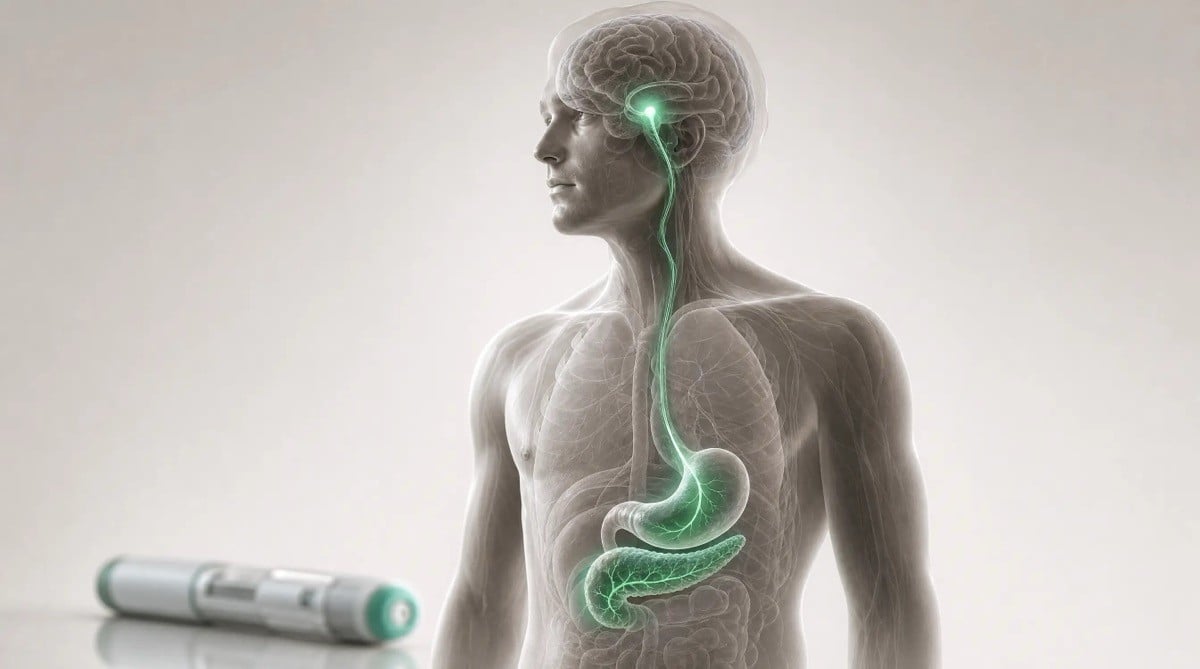
GLP-1 (glucagon-like peptide-1) is a hormone your gut releases after a meal. It tells the brain you are full, slows the stomach so food stays in it longer, and prompts the pancreas to release insulin only when glucose is present. The medications copy that signal — and hold it on for days at a time instead of minutes.
| Medication | What it acts on | Status | Weight loss in trials | In practice |
|---|---|---|---|---|
| Semaglutide (Ozempic, Wegovy) |
GLP-1 receptor | Approved; generics launched in India and others in 2026 | About 15% of body weight over 68 weeks | Strong fullness, slower stomach, fewer cravings |
| Tirzepatide (Mounjaro, Zepbound) |
GLP-1 + GIP receptors | Approved | About 20% over 72 weeks | GIP adds a second signal on fat tissue and insulin; more weight loss than semaglutide head-to-head, with a similar side-effect profile |
| Retatrutide | GLP-1 + GIP + glucagon receptors | Phase 3 (investigational) — not approved anywhere and legally available only inside clinical trials; the “research peptide” versions sold online are unregulated | About 28% over 80 weeks at the top dose in Phase 3 (TRIUMPH-1, 2026) | The glucagon arm raises energy expenditure and fat burning directly; the largest weight loss of the three in trials so far |
The pattern is clear: each generation pushes weight loss further. That is the point. It is also the problem, because the body does not choose to burn only fat. In a steep calorie deficit with little protein coming in, it takes muscle too — and a person on retatrutide, eating a fraction of what they used to, is in the steepest deficit of all.
The Hidden Cost: Muscle, Energy and the Nutrients You Stop Eating
Three things happen at once on a GLP-1:
- Lean mass goes with the fat. Lean mass — muscle, water and bone — made up roughly 40% of the weight lost in the semaglutide trial and about 25% in the tirzepatide trial. Muscle is what keeps your metabolism up, your joints stable and your body composition worth having. Lose it, and you end up lighter but weaker — and regain fat faster if you ever stop.
- Energy drops. Less food means less fuel. Many users describe flat afternoons, weaker training sessions and a brain that feels a step slower.
- Nutrients fall below the line. You are not just eating less; you are eating less of everything — protein, omega-3 fats, B vitamins, iron, magnesium. A full appetite used to cover those by accident. A suppressed one does not.
Two things protect you. The first is non-negotiable and is not a supplement: resistance training two to three times a week, because muscle you are actively using is muscle the body is far less willing to burn. The second is the stack below — chosen because each item does a specific job that a low-calorie, low-appetite diet leaves undone.
1. Creatine — The Single Most Useful Supplement on a GLP-1
If you take one thing from this article, take this one. Creatine is the most-studied sports supplement in existence, and almost everything it does maps directly onto the problems a GLP-1 creates.
How it works
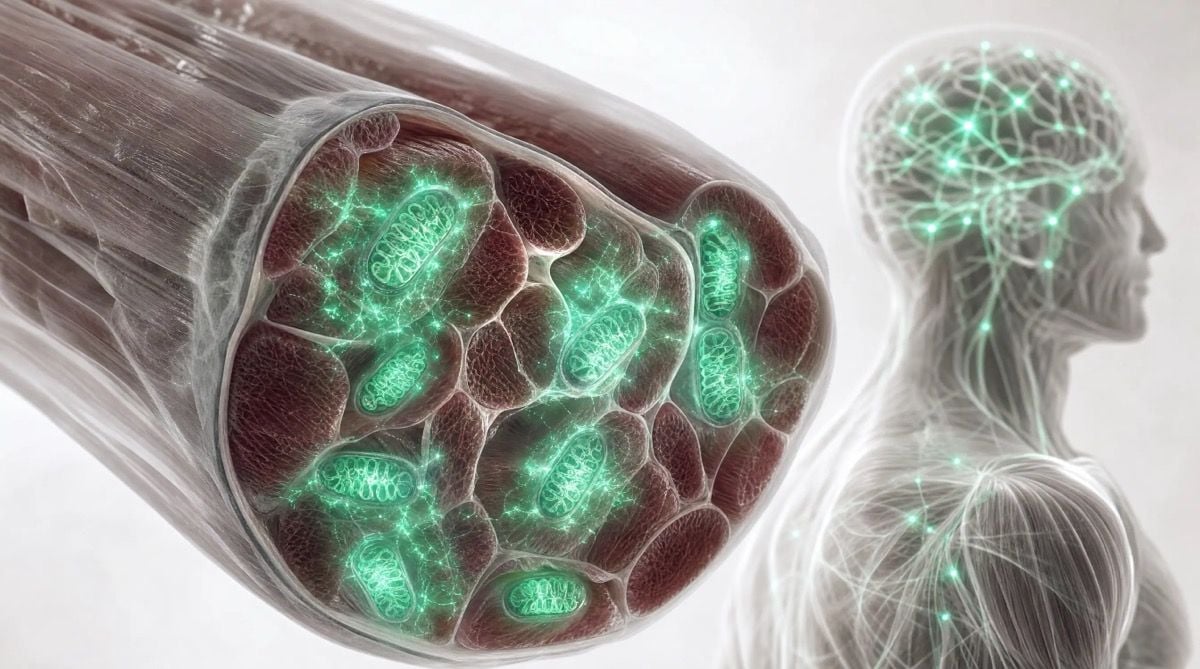
Your muscles run on ATP, and they can only store a few seconds’ worth. Creatine, stored as phosphocreatine, is the fastest way the cell rebuilds ATP — it hands a phosphate straight back to spent ADP, no oxygen and no glucose required. More creatine in the muscle means more work per set, more sets per session, and a stronger training signal telling the body to keep that tissue. In a calorie deficit, that training signal is a large part of what tips the balance toward losing fat rather than muscle.
It also works inside the mitochondria — the energy plants in every cell — where the phosphocreatine system buffers sudden energy demand second by second, so hard efforts do not stall. (It is not a fuel store: what keeps you going between meals is body fat, glycogen and ketones.) And it crosses into the brain: creatine supports the same ATP recycling in neurons, and trials in sleep-deprived and older adults show benefits to memory and processing speed when the brain is under stress. Direct evidence at low energy intake is still thin, but users often describe the “brain fog” of a strict deficit lifting within a couple of weeks.
How to use it
3–5 g of creatine monohydrate every day, any time, with or without food. No loading phase is needed. The scale may drift up a little over the first month as creatine pulls water into the muscle — that is not fat, and on a GLP-1 it usually just slows the drop for a week or two rather than reversing it. Keep fluids up: nausea and smaller meals cut water intake on a GLP-1, and the label itself says to stay well hydrated. Tell your prescriber you take creatine — it nudges up the creatinine reading used to check kidney function, and they will want to know that when reading it.
What we recommend
Forma Nutrition Pure Creatine 300 g — plain, micronised creatine monohydrate with nothing added, sixty full servings. If you prefer to skip the powder, Forma Nutrition Creatine 150 caps is the same monohydrate in capsule form.
→ Shop Forma Nutrition Creatine at Macau Nutrition
2. Acetyl-L-Carnitine — Keeping Your Energy Steady on Fewer Calories
How it works
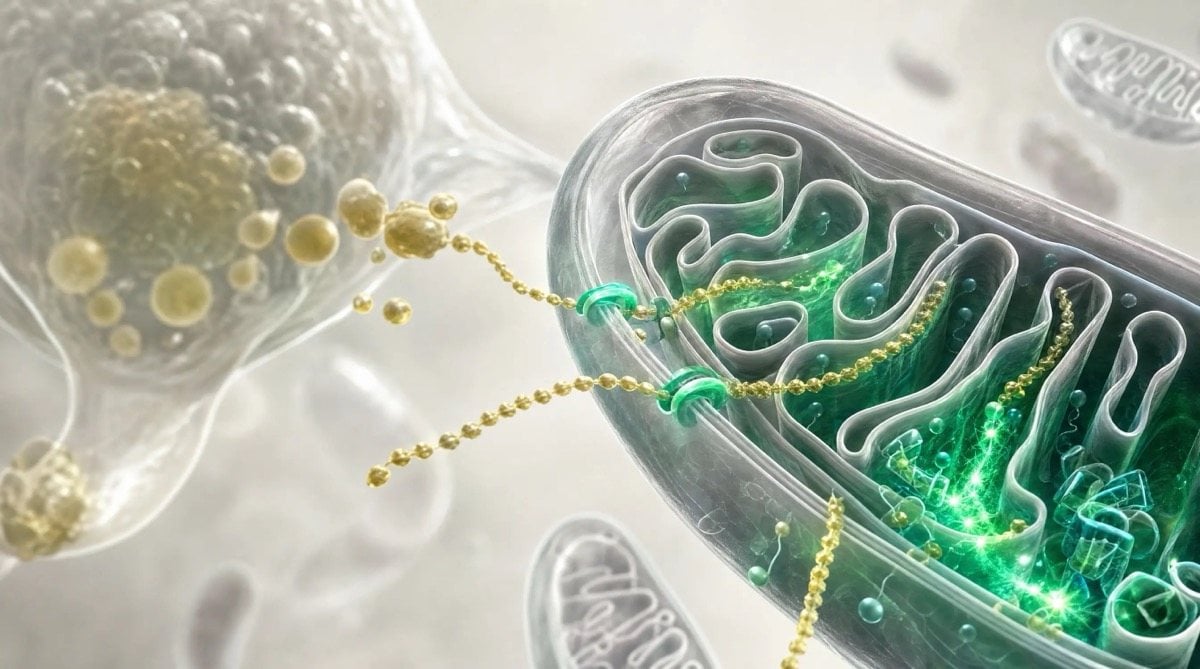
Fat cannot be burned where it sits. To become energy it has to be carried into the mitochondria, and carnitine is the shuttle that carries long-chain fatty acids across the mitochondrial membrane so they can be oxidised. When you are eating very little, your body is supposed to switch to fat as its main fuel. A healthy omnivore’s muscle usually holds enough carnitine for that, so supplementing is a hedge rather than a fix: the meat and dairy that supply it largely disappear from a GLP-1 diet, and the evidence that extra carnitine speeds fat burning in well-fed people is modest. Its clearer value here is the acetyl form’s effect on energy and mental clarity, below.
The acetyl form matters. Acetyl-L-carnitine (ALCAR) crosses the blood–brain barrier, and in animal studies its acetyl group feeds into acetylcholine — the neurotransmitter behind focus, memory and mental clarity. Human trials are mostly in older adults, where ALCAR improved attention and mental fatigue; that is why ALCAR, rather than plain L-carnitine, is the form to try when the goal is feeling sharp on a diet that gives the brain very little to work with.
How to use it
Follow the label — for the Forma capsules, 1 capsule twice a day, morning and early afternoon (most studies use 1–2 g a day in total). Take it before training or before the part of the day when your energy usually dips. Avoid late evening — it can be stimulating for some people.
What we recommend
Forma Nutrition Acetyl L-Carnitine 120 caps — the acetyl form, capsuled, no flavourings or sugars to work around a small appetite.
→ Shop Forma Nutrition Acetyl L-Carnitine
3. Omega-3 (EPA and DHA) — Protection While the Body Is Shrinking
How it works
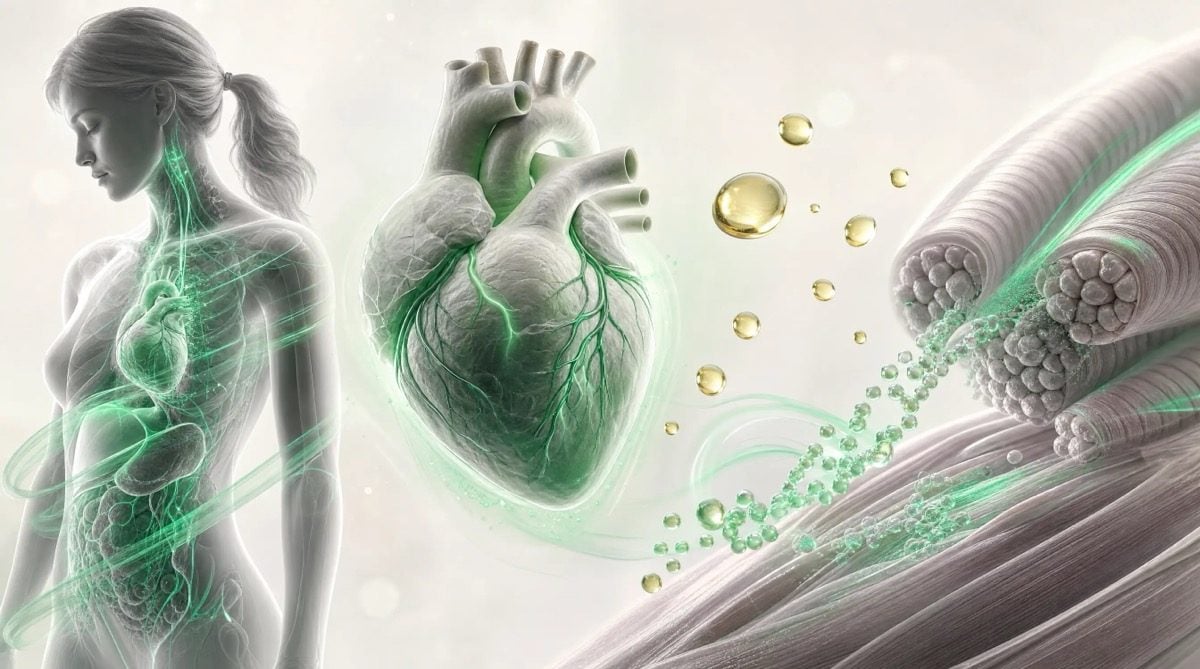
EPA and DHA are the two long-chain omega-3 fats found in oily fish, and they are among the first things to disappear from a GLP-1 user’s diet — nobody on a suppressed appetite is eating salmon three times a week. They do four jobs that matter here. Anti-inflammatory: overall inflammation falls as weight comes off, but the early phase of fast fat loss can transiently stir inflammation in fat tissue, and EPA/DHA are the raw material for the compounds that resolve it. Muscle-protective: the evidence is mixed, but some trials show muscle responds better to protein with EPA/DHA on board — at around 4 g/day, more than we suggest below. Cardiovascular: they lower triglycerides. Note that high-dose fish oil (above about 1 g/day of EPA+DHA) has been linked to a higher risk of atrial fibrillation in trials — if you have any heart-rhythm history or take blood thinners, ask your doctor before taking more than 1 g. Brain and mood: DHA is structural in the brain, and low intake is linked to lower mood — a known risk during aggressive dieting.
How to use it
1–2 softgels of a concentrated fish oil a day (about 0.8–1.6 g EPA + DHA) with a meal that contains some fat — stay at one softgel, or ask your doctor first, if you have a heart-rhythm history or take blood thinners. Check the label for the EPA and DHA content, not the total fish-oil weight — a 1,000 mg softgel may carry only 300 mg of the actual omega-3s.
What we recommend
Forma Nutrition Omega-3 150 softgels — concentrated EPA/DHA in a size that goes down easily even on a full stomach that no longer wants anything.
→ Shop Forma Nutrition Omega-3
4. Whey Protein Isolate — The Muscle Insurance Policy
How it works
Muscle is rebuilt from amino acids, and the body only rebuilds when enough of them arrive at once — a threshold set mainly by leucine. During weight loss a practical target is about 1.2–1.6 g of protein per kilogram of current body weight per day (roughly 2 g per kilogram of goal weight) — for most GLP-1 users that is 100–150 g — in four or five feedings of 25–40 g. On a GLP-1 that is genuinely hard to hit with food: a full chicken breast can feel like a chore. Whey isolate solves the volume problem. It is the most leucine-rich of the common protein powders, it is absorbed fast, and a scoop mixed in water is 25 g of protein in a glass you can finish in a minute. The isolate form matters for the same reason: it is filtered to be almost free of lactose and fat, so it sits lightly on a stomach that the medication has already slowed.
How to use it
One scoop (about 25 g protein) whenever a meal falls short — most often after training and as a mid-afternoon feed. Count it toward your daily target; do not rely on it for all of it. Sip it if a full glass at once feels like too much.
What we recommend
Forma Nutrition Whey Isolate in the 1 lb tub — a manageable size when a 5 lb tub would take you a year — and two of the most trusted isolates in the world for larger quantities: Optimum Nutrition Gold Standard 100% Isolate and PVL Isolate Gold.
→ Shop Forma Nutrition Whey Isolate
→ Shop ON Gold Standard Isolate
5. Essential Amino Acids — For the Days You Cannot Face a Shake
How it works
Some days on a GLP-1, even a shake is too much. That is where essential amino acids (EAAs) earn their place. They are the nine amino acids the body cannot make, delivered without the volume of a protein drink, and they include the leucine that switches muscle protein synthesis on. About 2.5 g of leucine is the trigger, which takes roughly 10 g of a full EAA blend — a powder serving or a shake, not a couple of capsules; capsules are a lighter top-up for the hours between meals. They are not a replacement for protein — a full meal still builds more — but between meals, and on the days protein intake is going to fall short, EAAs keep the muscle-building signal from going silent. Choose EAAs over BCAAs: the three branched-chain aminos alone cannot build muscle without the other six.
How to use it
Follow the label as a top-up — for the Forma Pro-EAA capsules that is 3 capsules before and 3 after training (about 1.6 g leucine a day); a full 2.5 g leucine trigger between meals takes a 10 g EAA powder serving or a whey shake. Skip it on days when your protein target is already covered by food and whey.
What we recommend
Forma Nutrition Pro-EAA 120 caps — all nine essentials, leucine-led, in capsules for a between-meals top-up that does not compete with a small appetite; for a full leucine trigger, use whey or a 10 g EAA powder serving.
→ Shop Forma Nutrition Pro-EAA
A Simple Daily Stack
| When | What | Dose | Why |
|---|---|---|---|
| Morning | Acetyl-L-carnitine | 1 capsule | Energy and mental clarity for the day |
| Morning, with food | Omega-3 | 1 softgel (~0.8 g EPA+DHA) | Absorbed best with dietary fat |
| Any time, daily | Creatine monohydrate | 3–5 g | Consistency matters more than timing |
| After training | Whey isolate | 1 scoop (25 g protein) | Hits the leucine threshold when muscle is most receptive |
| Early afternoon | Acetyl-L-carnitine | 1 capsule | Covers the usual energy dip |
| Evening, with food | Omega-3 | Optional second softgel | Second half of the daily dose |
| Between meals / low-appetite days | EAAs | Label dose (3 caps) as a top-up, or ~10 g powder (2.5 g leucine) | Keeps muscle protein synthesis switched on |
Doses are typical ranges for healthy adults from the research literature. Your practitioner may adjust them. Food first — the stack fills gaps; it does not replace meals. If you take oral semaglutide (Rybelsus), take it first thing on an empty stomach with a small sip of water and wait at least 30 minutes before any food or supplement.
Also Worth Watching
- Water and electrolytes. Eating less means less water from food and fewer minerals. Sodium, potassium and magnesium drop, and that alone can explain headaches, cramps and fatigue.
- Fibre. GLP-1s slow the gut; low fibre makes it slower still. Aim for vegetables at every meal you do eat.
- B12, iron and vitamin D. Common shortfalls once meat and dairy intake falls. A blood test every few months is worth more than guessing.
- Resistance training. Two to three sessions a week. Every supplement above works better with it, and none of them replaces it.
Frequently Asked Questions
Can I take creatine while on Ozempic, Mounjaro or retatrutide?
Creatine monohydrate has no known interaction with semaglutide or tirzepatide and is widely used alongside them to protect muscle. There is no data at all for retatrutide, which is unapproved — do not use it outside a clinical trial. Because the medications slow the stomach, take it with water and spread fluids through the day. As with everything in this article, confirm with your practitioner first.
Will supplements stop me losing weight?
No. None of the five affects the medication’s action. Creatine may add a little water inside the muscle over the first month — that is not fat, and it is not a sign the drug has stopped working.
Do I need all five?
If budget or appetite limits you, the order of this article is the order of priority: creatine first, protein second, then omega-3, ALCAR and EAAs. Creatine and protein alone cover most of the muscle-loss problem.
What about BCAAs?
BCAAs are three of the nine essential aminos. On their own they cannot build muscle. If you want an amino supplement, choose a full EAA formula.
I feel nauseous — will these make it worse?
Nausea is the medication’s most common side effect, especially after dose increases. Capsules (creatine caps, ALCAR, EAAs, omega-3 softgels) are usually easier than powders on those days, and a whey shake can be sipped over an hour rather than drunk at once. If nausea is persistent, that is a conversation for your prescriber, not the supplement aisle.
Shop the GLP-1 Support Stack in Macau
Every product above is in stock at our three shops and online. Free delivery in Macau on orders over MOP$650.
→ Browse Forma Nutrition at Macau Nutrition
Disclaimer
This article is informational and is not medical advice. Semaglutide and tirzepatide are prescription medicines; retatrutide is an investigational drug that is not approved anywhere and is legally available only to clinical-trial participants — we do not recommend using it outside a trial. Every individual is different: before deciding to take any medication, and before combining it with any supplement, consult a licensed medical practitioner who knows your history. Nothing here replaces that conversation. The information is intended for healthy individuals aged 16 and over; it is not intended for anyone pregnant or breastfeeding, anyone with kidney, liver, thyroid or pancreatic disease, or anyone under medical treatment without their doctor’s knowledge. Macau Nutrition sells supplements, not medicines, and does not diagnose or treat any condition.